

A walk in Camano Island State Park has a connection to Washington’s birthday that is easy to miss: land in the park’s northern section was among the federal lands granted to the new state in 1889 to support public schools.
That is one small thread in a much larger local story. Washington became the nation’s 42nd state on Nov. 11, 1889. This week marked its 137th anniversary, an invitation to look again at the communities, rivers and familiar places around us.
Here, the statehood years can be traced through Marysville’s early city government, Arlington’s neighboring townsites and a Stanwood home built just as Washington began its life as a state. The region’s Tribal histories reach much further back and continue today.
The summer Washington wrote its constitution
Seventy-five elected delegates assembled in Olympia on July 4, 1889, to write a state constitution. They finished their convention on Aug. 23, and voters approved the document on Oct. 1 by 40,152 votes to 11,879, according to the Washington State Archives’ account.
Even then, a missing signature briefly stood in the way. Territorial Gov. Miles C. Moore received word on Nov. 4 that he had forgotten to sign the constitution sent to President Benjamin Harrison. A new copy was prepared overnight and sent by courier the next day.
On Nov. 11, Harrison proclaimed Washington’s admission. The Legislature’s history records the date Washington became the 42nd state.
Statehood also left important questions of participation unresolved. A separate women’s suffrage measure failed in 1889. Washington’s constitution was amended to recognize women’s suffrage in 1910, after years of organizing, as the Legislature’s suffrage history explains.
A birthday for the state, within a much older history
The Stillaguamish Tribe’s own history describes its people living along the main Stillaguamish River, its north and south forks, and nearby bays in 1855, around present-day Arlington and Stanwood.
Near Darrington, the Sauk-Suiattle Tribe’s history describes generations of life near Whitehorse Mountain and Sauk Prairie, with canoe journeys connecting river valleys and Puget Sound.
The Treaty of Point Elliott was concluded at present-day Mukilteo on Jan. 22, 1855, 34 years before statehood. The Tulalip Tribes describe themselves as successors in interest to the Snohomish, Snoqualmie, Skykomish and other allied tribes and bands that signed that treaty.
These are living communities with their own governments. Tulalip’s Treaty Rights Office describes its continuing work to protect treaty rights. Learning about Washington’s statehood includes listening to these communities’ accounts of the place we share.
What 1889 looked like around our towns
Snohomish County was already 28 years old when Washington became a state. The territorial legislature created the county on Jan. 14, 1861. Snohomish was its county seat in 1889; the seat moved to Everett in 1897, according to the county’s history.
Several familiar city milestones were still ahead. Marysville incorporated in 1891. To the north, Arlington and Haller City were platted in 1890 and became one incorporated town in 1903. Arlington’s history points to Division Street as a reminder of the two communities.
Stanwood offers a more personal connection. D. O. Pearson acquired the land for his house in 1889 and moved into the completed home in 1890, according to its National Register nomination. The town’s name honors his wife, Clara Stanwood Pearson. The Stanwood Area Historical Society preserves the house today.
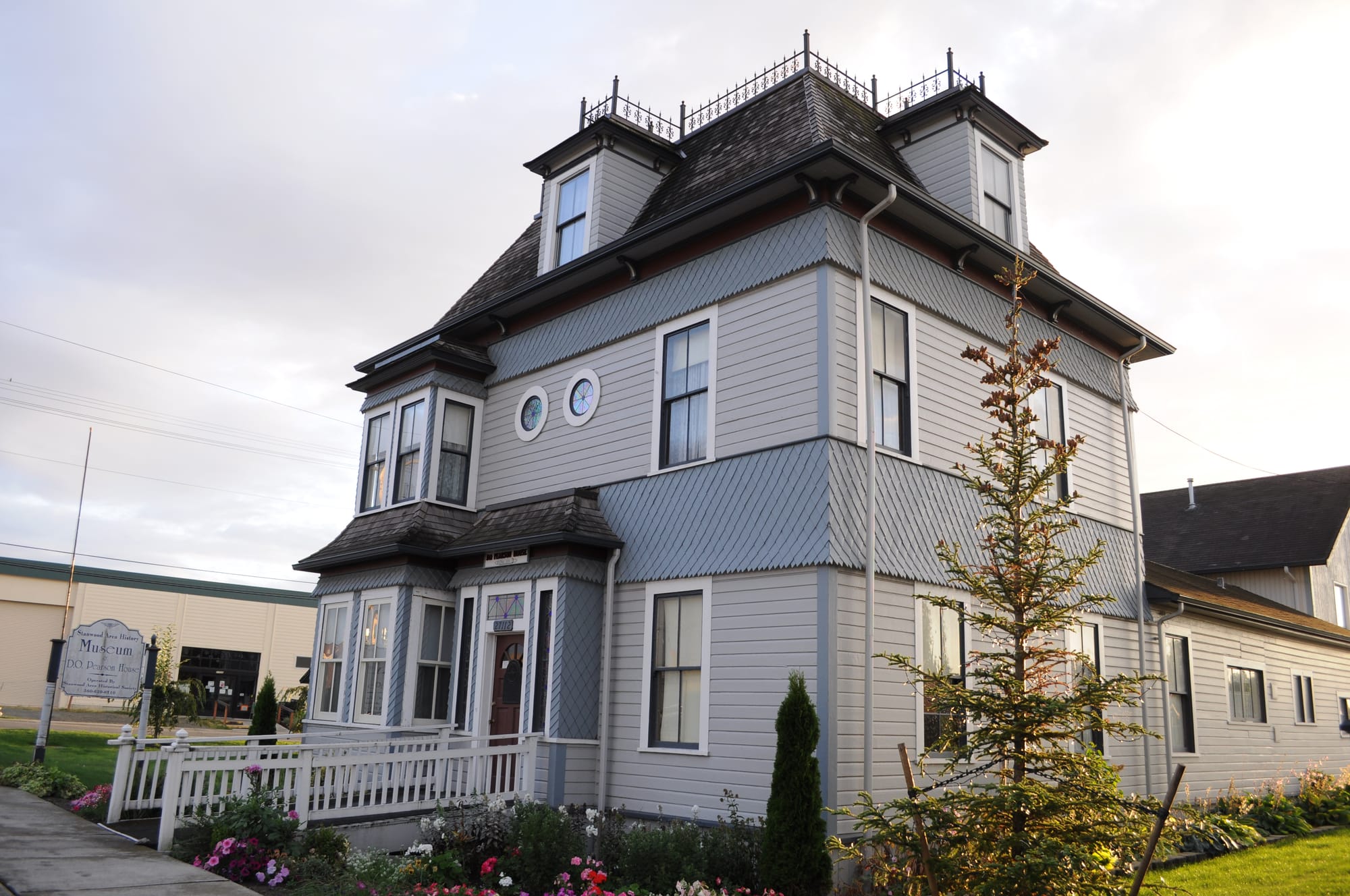
Those dates describe changes in government and the built environment. The communities’ histories extend beyond their incorporation papers.
Camano’s connection, from school lands to a community-built park
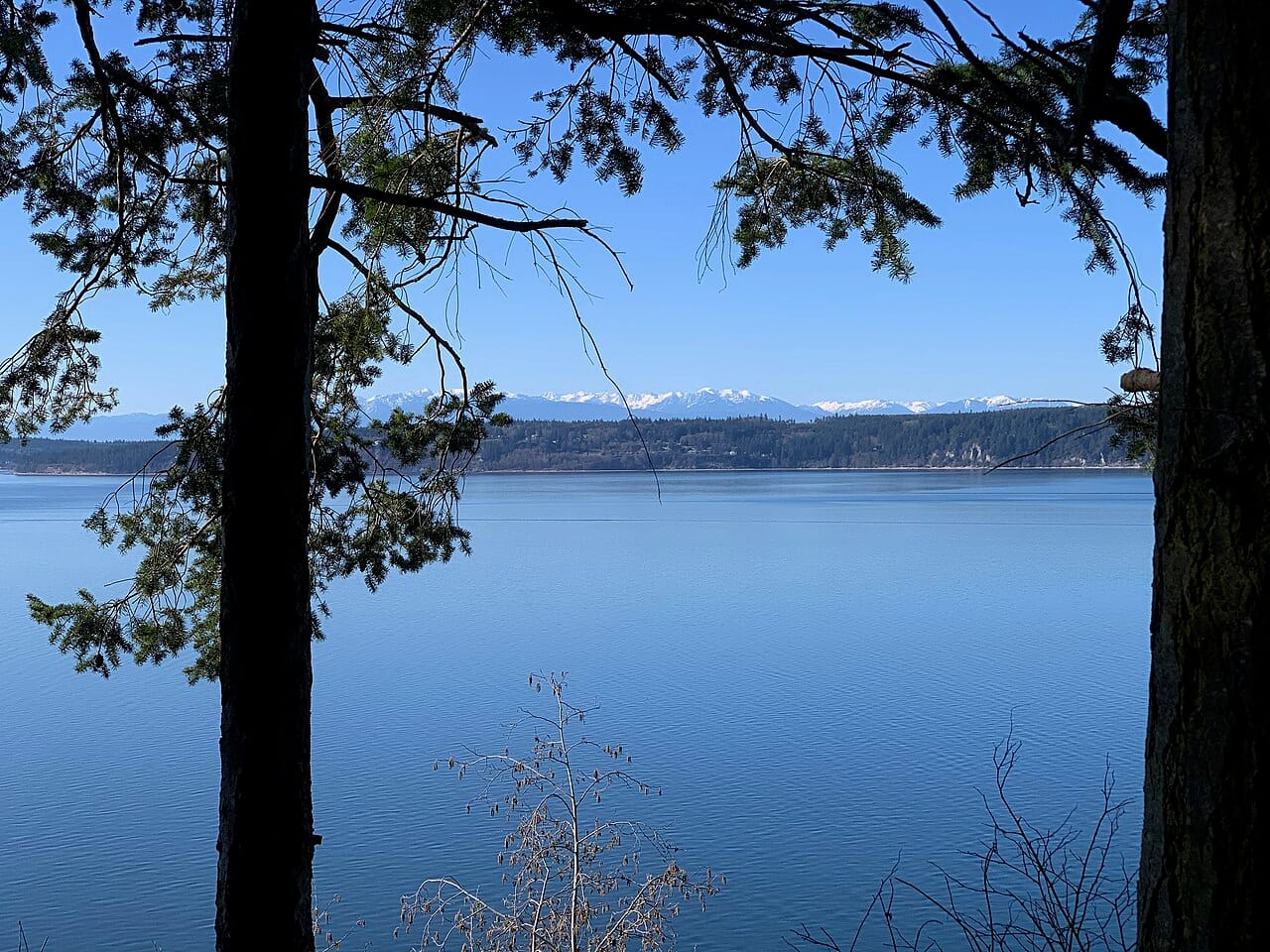
Washington State Parks traces part of Camano Island State Park’s story directly to statehood. Its park history explains that the northern lands were part of the federal grant intended to support public schools. Forty acres containing today’s Al Emerson Nature Trail were sold to A. D. Hallock in 1919.
The park came later, with a remarkable community effort. On July 27, 1949, more than 500 volunteers gathered to build facilities. Local merchants closed their businesses so they could help. Volunteers brought equipment and horses, while Grange members prepared food.
By the end of that day, they had placed picnic tables and benches, cleared paths, and leveled the road and parking area at today’s North Beach. That history gives a familiar outing another layer: a place shaped by decisions made at statehood, then by neighbors working together six decades later.
A few ways to make the anniversary your own
You can start close to home. Arlington’s self-guided Main Street Walking Tour follows Olympic Avenue and explains the buildings and businesses behind today’s storefronts. The city and Stillaguamish Valley Museum updated the resource in March 2026.
In Stanwood, the Pearson House offers a connection to the state’s earliest years. Check the historical society’s current visiting information before going.
For an afternoon at home, the State Archives provides an index and images of Snohomish County’s 1889 census. Looking through a historical record together can open a conversation about how a community changed, whose experiences were recorded and whose stories require other sources.
At Justabouts, we would like to make Washington’s birthday an annual occasion to explore a different piece of our local history. A walk, a museum visit or a question asked around the table is a good place to begin. There is plenty more to discover here.


